How to Choose a Mattress for Sleep Health: A Brand-Driven Guide
A practical, brand-aware buying guide that treats sleep health as a measurable, navigable objective. Drawing on signals from Naturepedic, Vispring, Obasan, and Healthy Choice, the article translates industry jargon into a readable map for discerning shoppers. This is not merely about firmness or materials; it is about understanding how a mattress can align with your long-term well-being, allergies, and daily rhythms.
Why sleep health matters in mattress selection
Sleep is not a luxury but a foundational pillar of physical and cognitive function. Our bodies repair tissue, consolidate memory, regulate hormones, and reset metabolic processes while we sleep. A mattress designed with sleep health in mind should support three core needs: spinal alignment and pressure relief, hypoallergenic materials, and temperature regulation. The brands we examine—Naturepedic, Vispring, Obasan, and Healthy Choice—offer distinct approaches to these needs, reflecting philosophies from artisan craft to science-backed innovation.
Consider how your own sleep health profile maps to a mattress. Do you wake with stiffness or soreness? Do you sleep hot or cold? Are allergies a concern? Each of these questions points to a family of signals you should verify in product specs: support structure (pocketed springs vs. solid cores), upper-layer comfort (foam, latex, or wool), and the fiber content that contacts your skin nightly.
In the following sections we translate brand signals into practical decisions, offering a reader-friendly checklist that remains faithful to the nuanced language of mattress construction.
The landscape of mattress brands often feels like a gallery of aesthetics and marketing claims. Yet beneath the satin labels lie material choices and construction philosophies that have measurable effects on sleep health. We focus on four brands that provide robust signals for informed comparison:
Naturepedic emphasizes organic materials and non-toxic construction. Their approach centers on breathable, low-toxin fabrics and white-glove attention to child- and adult-sleep environments alike. For sleepers with chemical sensitivities or eczema, Naturepedic often represents a baseline of safety and comfort.
Vispring embodies traditional craft and natural fillings. With luxurious wool, cotton, and hand-tufted details, Vispring addresses contouring and temperature regulation through natural fibers that age gracefully and maintain a cool, balanced surface for longer nights.
Obasan (a name often cited for organic comfort) leans into eco-conscious production and a refined balance of support and pressure relief. Their materials emphasize sustainable sourcing and tactile comfort that appeals to sleepers seeking fewer synthetic additives.
Healthy Choice represents accessibility and practical performance—an alignment of value and durability. The brand’s approach tends to prioritize straightforward comfort, proven durability, and clear specifications that help shoppers separate marketing from measurable outcomes.
Across these brands, the common thread is a commitment to materials that support sleep health: pressure-relieving surfaces that maintain spinal neutrality, hypoallergenic components that minimize irritants, and breathable fabrics that prevent overheating.
How to evaluate mattress construction for sleep health
A robust evaluation starts with three layered questions: What am I sleeping on? How does it interact with my body? Will this surface stay comfortable over time? Below is a practical framework to translate product specs into lasting comfort.
)Support and alignment: Look for a balance between contouring and support. Pocketed coil systems or natural-fiber cores can offer resilience while reducing motion transfer. Pay attention to edge support and the distribution of firmness across the surface.
Pressure relief and surface feel: A mattress should soften at the right contact points (shoulders, hips) without collapsing under weight. This is often achieved with a top layer of latex, wool, or a quality foam that complements the core.
Materials and allergies: Organic cotton, wool, natural latex, and unbleached fibers can lower exposure to irritants. For allergy-prone sleepers, a hypoallergenic cover and breathable, washable layers are key.
Temperature regulation: Temperature-neutral designs leverage breathable materials and moisture-wicking layers. Wool and latex tend to respond well to temperature shifts, helping maintain a consistent sleeping climate.
Durability and long-term value: Consider the expected lifespan of the core and the cover. Natural materials often age gracefully, while certain foams may retain performance but show wear differently over time.
Armed with these criteria, you can parse product pages with greater skepticism and more precise questions when talking to retailers. The goal is to move beyond slogans into a clear, evidence-based grasp of what each mattress is promising—and whether it will deliver sustained sleep health for you.
Brand signals to look for when shopping
Brand signals are not mere marketing theater; they reflect design decisions that affect real-world comfort. When a product claims “organic,” verify the certification, confirm the sourcing narrative, and assess the comfort you expect.
Certifications and standards: Look for organic, Oeko-Tex, GOTS, and Global Organic Textile Standard marks. Certifications provide a practical assurance about material safety and processing standards.
Material transparency: Brands that openly discuss the origin of their fillings—such as wool from ethically raised flocks or latex from sustainably managed forests—give you better predictive power about long-term performance and feel.
Construction clarity: A clearly described core, border, and layer composition helps you compare across models. Be wary of vague terms like “gel-infused comfort layers” without technical substantiation.
Testability and trials: Generous trial periods and straightforward return policies reflect confidence in the product. A brand that makes testing comfortable shows respect for consumer experience.
In practice, this means you should be able to articulate in simple terms what makes a mattress breathable, durable, and supportive—and why those qualities matter for your sleep health trajectory.
Three key individuals from different time periods who shaped sleep culture
To frame our current discourse, consider three thinkers who, in different centuries, reframed how people think about rest, comfort, and the body. Their legacies remind us that the bed is not merely furniture but a social and intellectual surface where narratives about wellness and modern life are negotiated.
Hypatia of Alexandria (c. 370–415 CE) — The ancient idea of thoughtful inquiry: Hypatia represents the ideal of curiosity and disciplined reasoning. Her work, though in math and philosophy, invites us to scrutinize claims and demand coherence—a habit that naturally translates to shopping for mattresses with a critical eye on materials, safety, and long-term effects on health.
Mary Wollstonecraft (1759–1797) — The ethics of everyday life: Wollstonecraft challenged assumptions about comfort and virtue, urging a rational approach to domestic life. In mattress selection, her spirit encourages us to treat sleep health as a moral and practical concern—worthy of careful research and humane design that respects the sleeper's dignity and needs.
Alice Waters (b. 1944) — The art of mindful nourishment and environmental consciousness: Waters popularized sustainable food culture, demonstrating how everyday choices connect to larger ecosystems. Translating this to sleep, her legacy invites us to favor breathable, non-toxic materials and thoughtful production practices when choosing a bed, reinforcing a holistic sense of well-being.
While these figures inhabit different eras and fields, their shared impulse—questioning assumptions, elevating daily life, and valuing ethical craft—offers a useful lens when approaching the complex world of mattress shopping. The goal is not mere comfort but a durable, informed relationship with sleep health that stands up to scrutiny and time.
Practical buying checklists inspired by trusted brands
To make brand-driven evaluation actionable, here are concise checklists you can use when comparing mattresses from Naturepedic, Vispring, Obasan, and Healthy Choice. Each checklist is designed to help you translate product pages into a decision aligned with sleep health goals.
Checklist A: Organic and non-toxic focus Verify certified organic materials, absence of flame retardants or PVC, and the presence of natural, breathable fabrics on both core and cover. Confirm cleaning and care requirements to maintain material integrity over time.
Checklist B: Support system and alignment Identify the core support architecture (pocket springs, latex cores, or hybrids). Check for regional firmness customization, edge stability, and how the surface maintains support across different sleep positions.
Checklist C: Temperature and moisture management Look for wool, latex, cotton, and other moisture-wicking layers. Assess whether the design promotes air circulation and reduces night sweats, particularly for hot sleepers.
Checklist D: Durability and warranty Review the warranty length, coverage for sagging or indentation, and the expected lifespan of the materials used. A longer warranty can reflect confidence in long-term performance.
Checklist E: Trial period and return policy Ensure there is a reasonable trial window and straightforward return logistics. A customer-friendly policy reduces the risk of a poor long-term fit.
A featured product note: Vispring Lux Skirted Mattress Protector
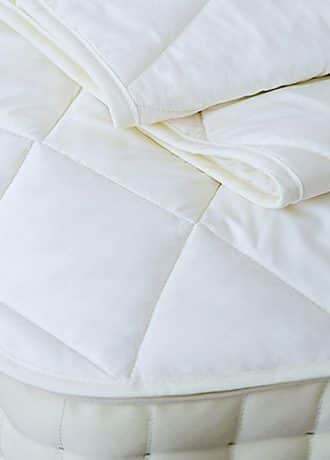
The Vispring Lux Skirted Mattress Protector stands out as a study in quiet craftsmanship. Crafted from pure organic cotton, it embodies the brand’s commitment to breathability and lasting protection. Its elasticated fit anchors it to the mattress, creating a barrier against wear and spills while maintaining the surface feel of the bed. This product exemplifies how a well-made cover can extend mattress life without altering its inherent comfort.
Beyond practicality, the protector carries a design ethos: calm, timeless, and respectful of material quality. It demonstrates how small, thoughtfully engineered details can influence sleep health by preserving a clean, allergen-conscious environment and a stable sleeping surface.
Vispring Lux Skirted Mattress Protector
Price: 615.00 USD
Brand: Vispring
Note: While this protector demonstrates premium craftsmanship, shoppers should weigh it against their own hygiene standards, climate, and price sensitivity. The core lesson remains clear: protect the bed with materials that endure and breathe, and do so with a sense of quiet luxury rather than ostentation.
Three-timeframe perspective: past, present, and future of sleep health
Sleep health lives in a timeline—from ancient bedding practices to contemporary materials science. By examining voices from different epochs, we glimpse how our present choices become part of a longer conversation about comfort, safety, and humanity’s relationship with rest.
Past: The era of handcrafted mattresses and natural materials emphasized durability and tactile experience. The craft ethos valued long-term relationship with a single bed, where comfort was inseparable from material provenance and artisan skill.
Present: Modern brands balance science and craft, offering certifications, performance data, and trials. Sleep health is understood as a blend of physiology and environment, with a consumer market that rewards clarity of specifications and ethical production.
Future: The next frontier may be in adaptive materials, real-time sleep analytics, and deeper consumer education about how a mattress interacts with sleep stages, microbiome, and personalized health goals. The best mattresses will be those that remain legible to the consumer and honest about what they promise—and what they do not.
Conclusion: shopping with sleep health as your compass
A brand-driven approach to mattress selection honors both the science of sleep and the art of living well. By foregrounding organic materials, transparent construction, and clear performance signals, shoppers can chart a course that aligns with long-term wellness. The brands highlighted here—Naturepedic, Vispring, Obasan, and Healthy Choice—offer distinct roadmaps rather than a single prescription. Your task is to translate those roadmaps into your own sleep narrative: a nightly ritual of calm, measured choices that prioritize health, comfort, and dignity.
Ultimately, choosing a mattress is not about chasing the latest hype but about building resilience through a sleep surface designed to support you across seasons and years. The goal is a bed that feels like a quiet harbor at the end of a long day—steady, breathable, and wholly responsive to your body’s needs.
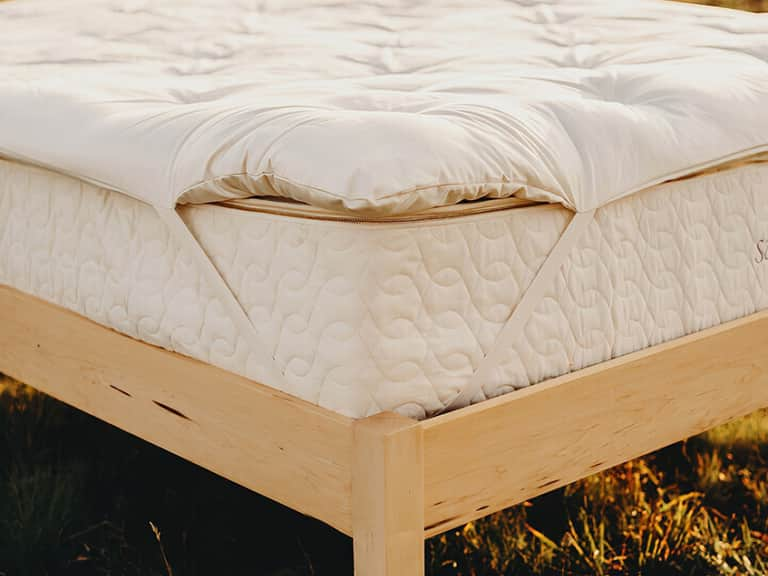
Experience cooler, calmer sleep with the Woolsy Topper: plush natural wool for pressure relief, moisture-wicking comfort, and a breathable organic cotton cover—antibacterial too. Reduces tossing, fits securely, and supports your mattress for dreamlike nights.
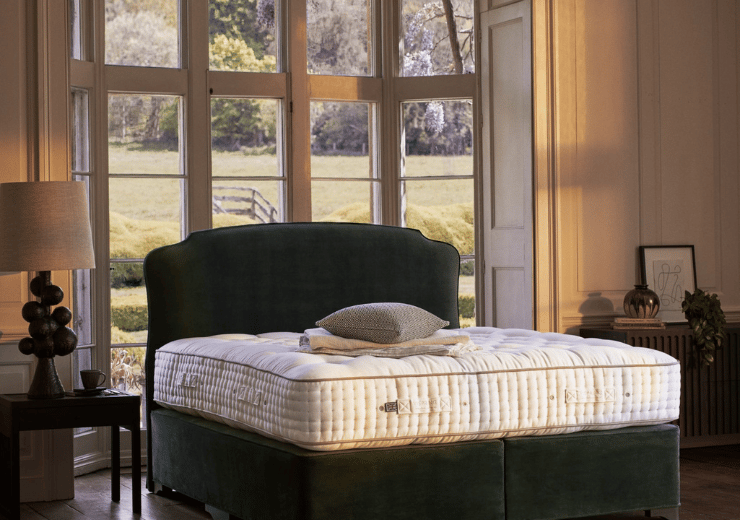
Experience a soft yet precise sleep surface that cushions shoulders, wicks heat, and stays supportive all night with luxurious natural fillings and 3,366 springs for unmoved, contouring comfort.